One Day Closer
Pancreatic cancer kills almost 97% of people diagnosed within 5 years. It’s difficult to diagnose, spreads quickly, and is notoriously resistant to many of the chemotherapy and radiation treatments currently used. Despite the relatively small number of people diagnosed with pancreatic cancer, it’s the fourth most common fatal cancer, after lung, colorectal, and breast cancers, which get vastly more media attention.
By the time it’s diagnosed, pancreatic cancer is usually in an advanced state. At that point, there are few effective therapies, or none at all. Dr. Diane Simeone believes pancreatic cancer stem cells are the key to finding an effective treatment, and possibly a cure, one day, for pancreatic cancer.
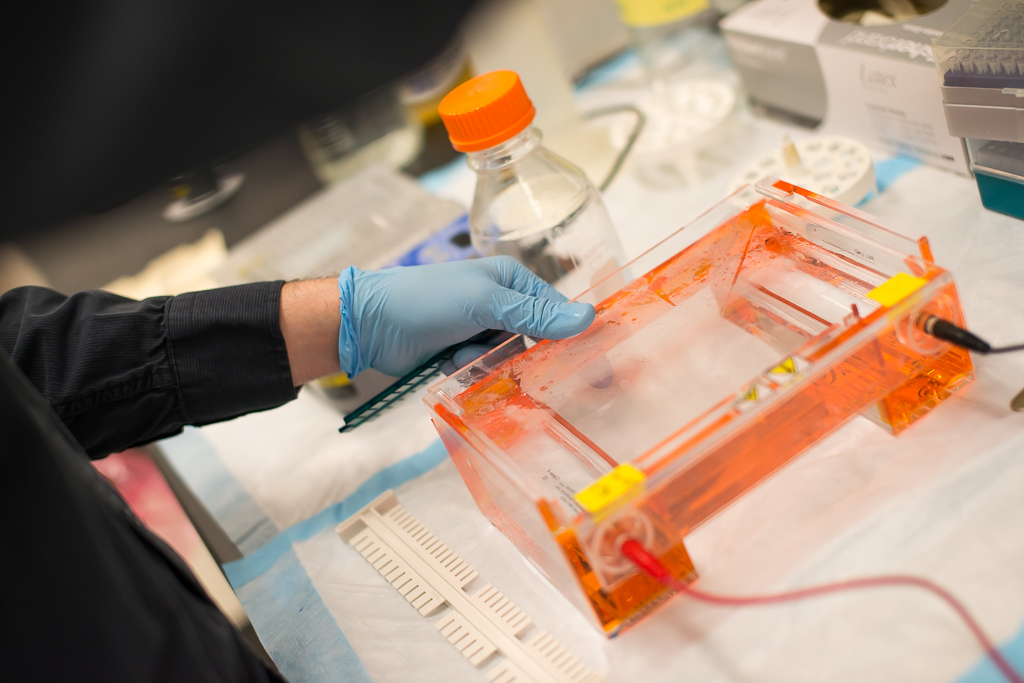
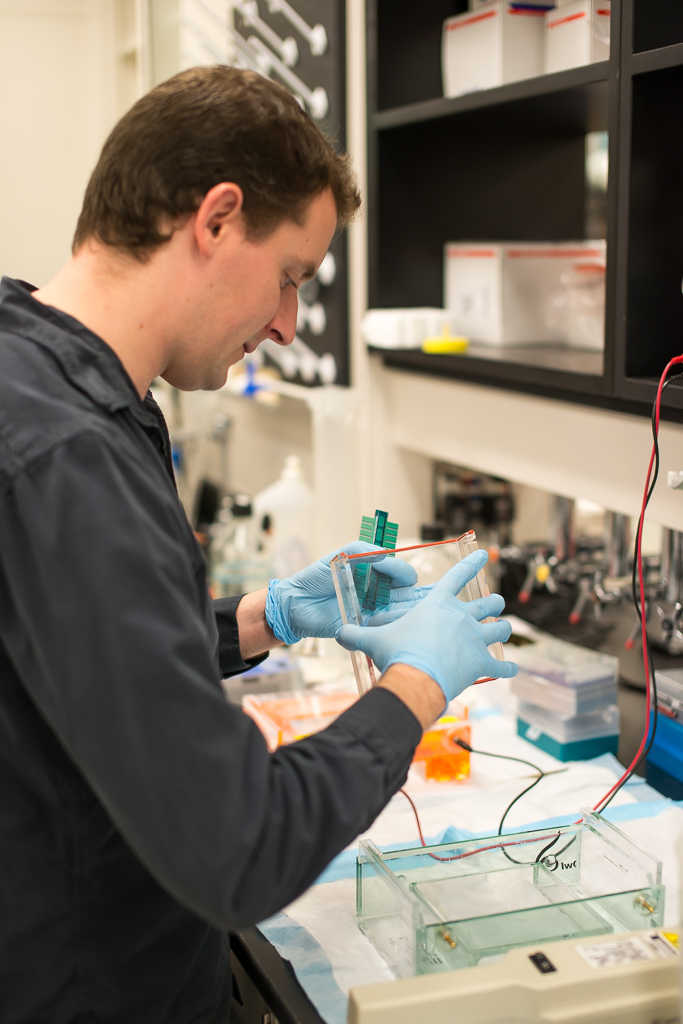
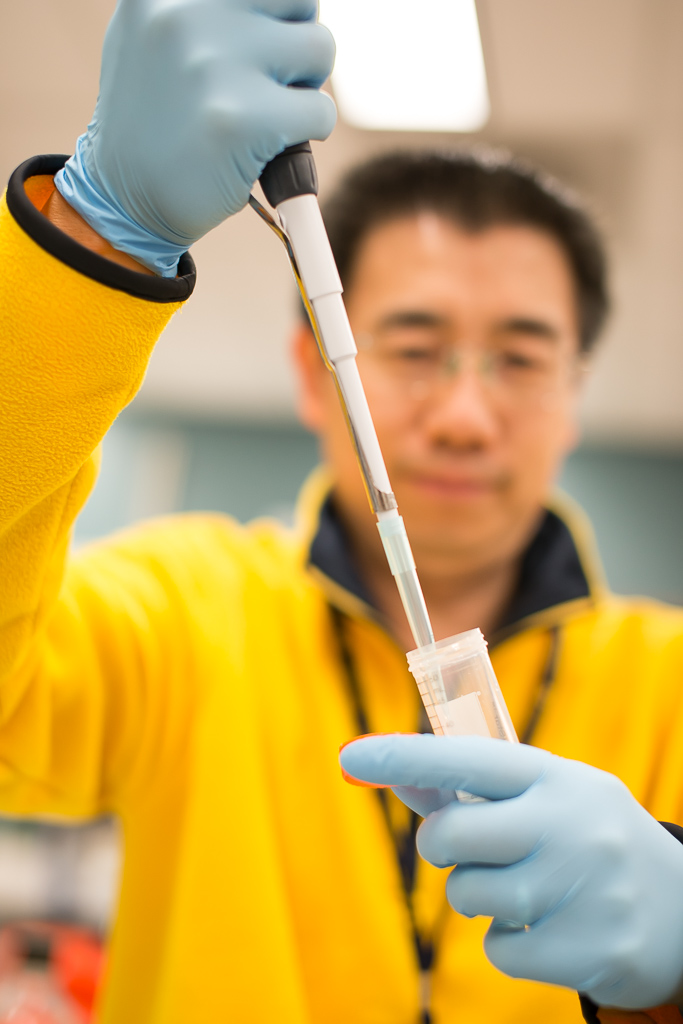
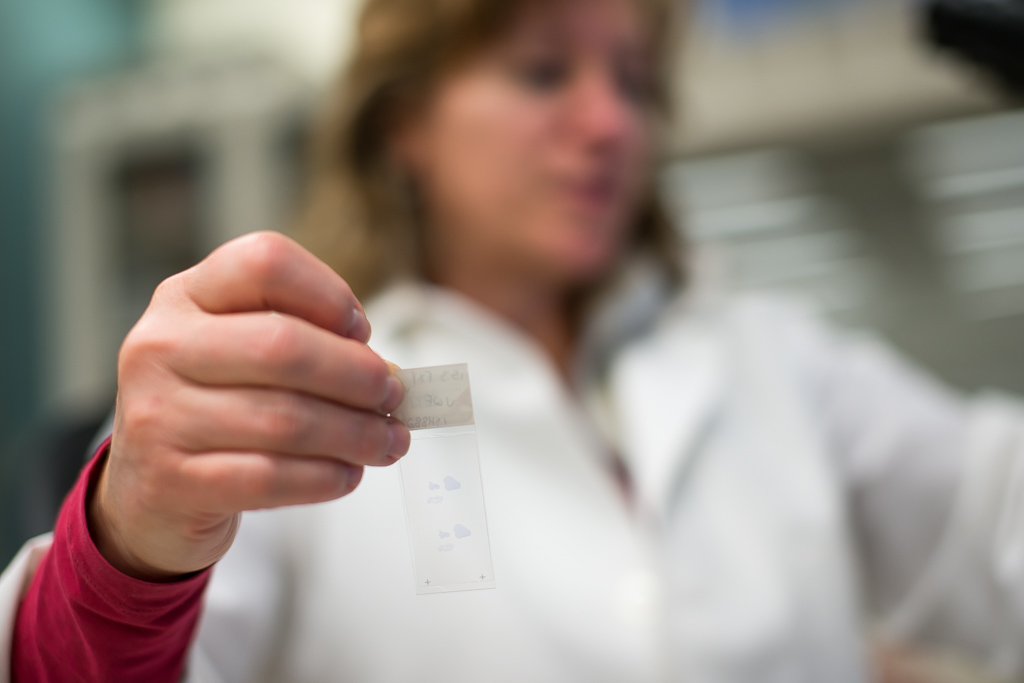
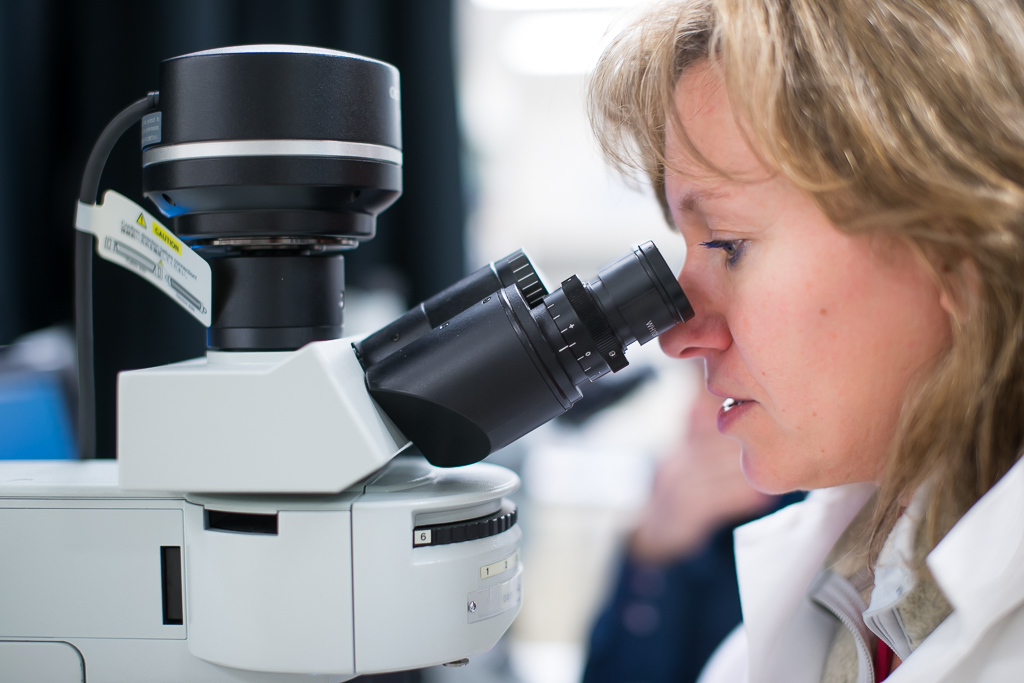
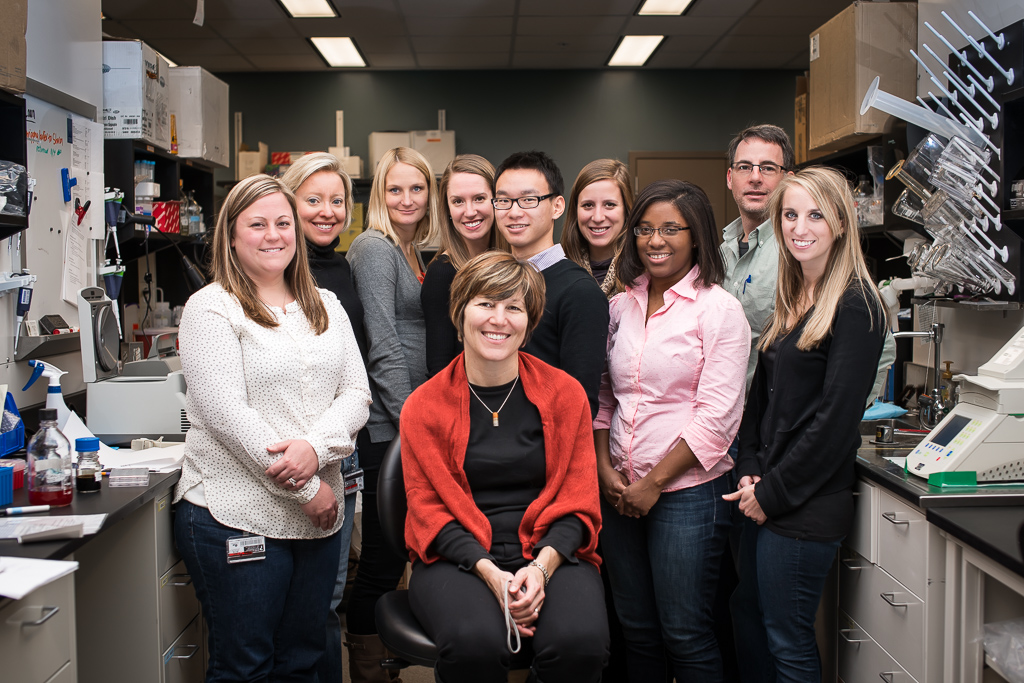
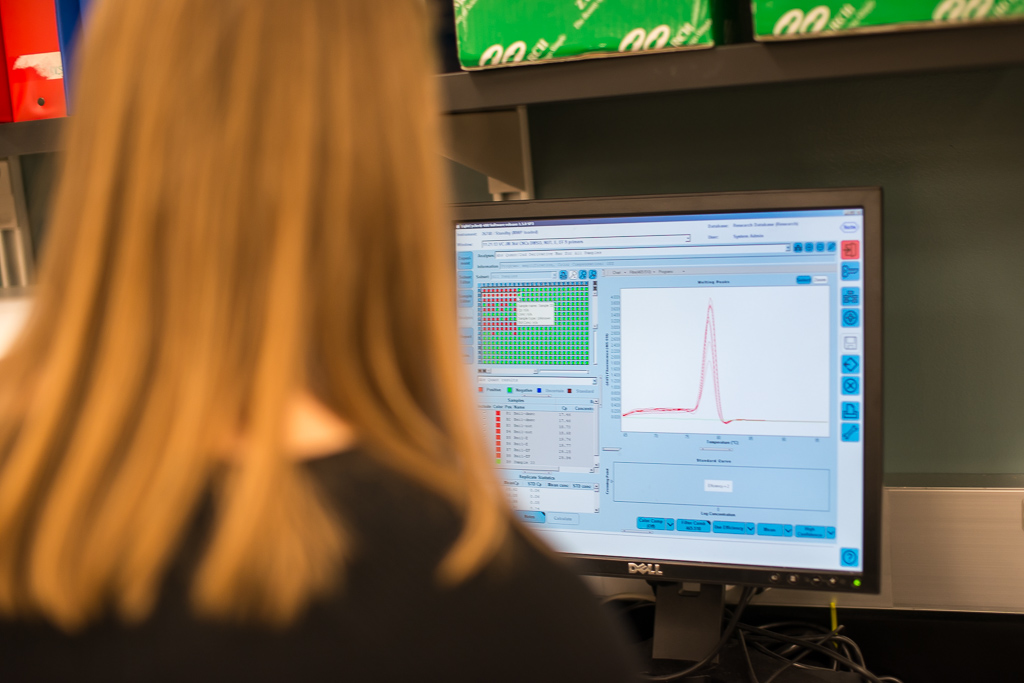
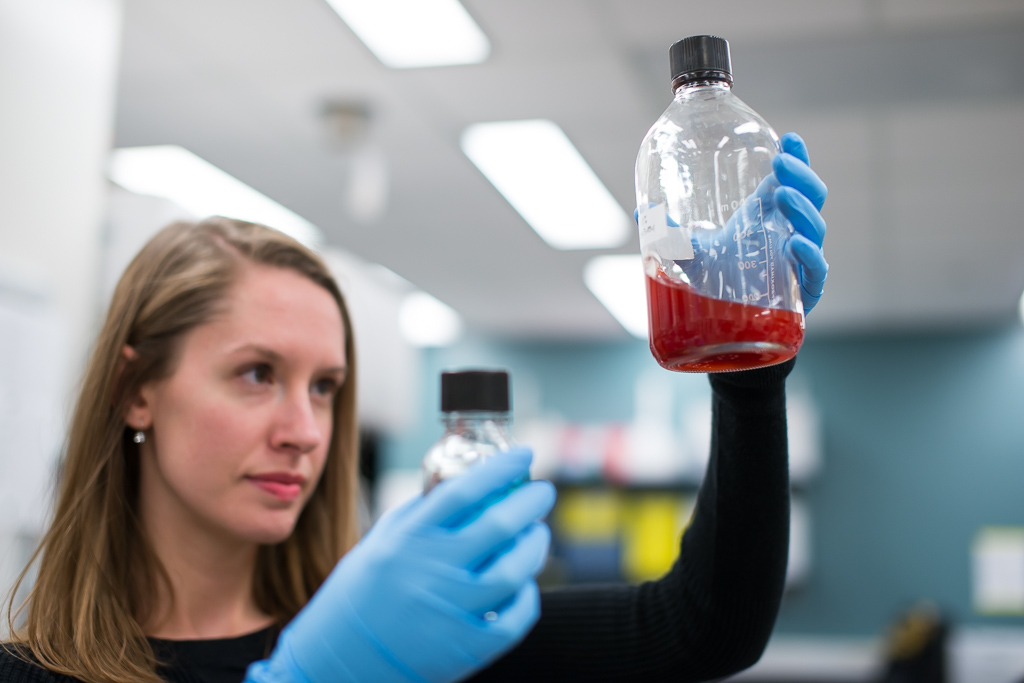
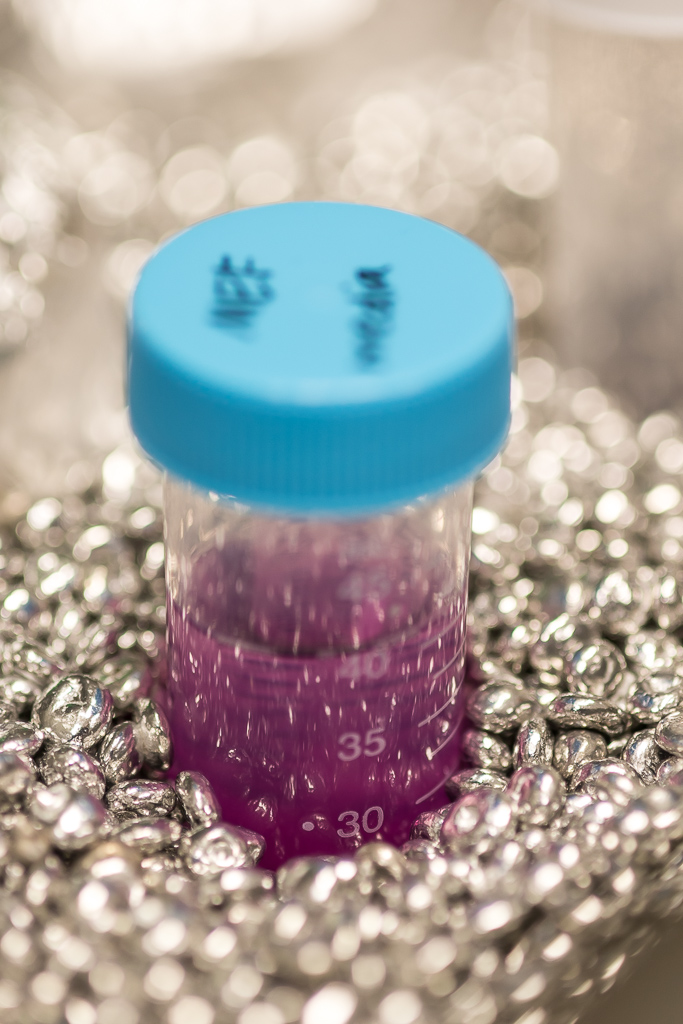
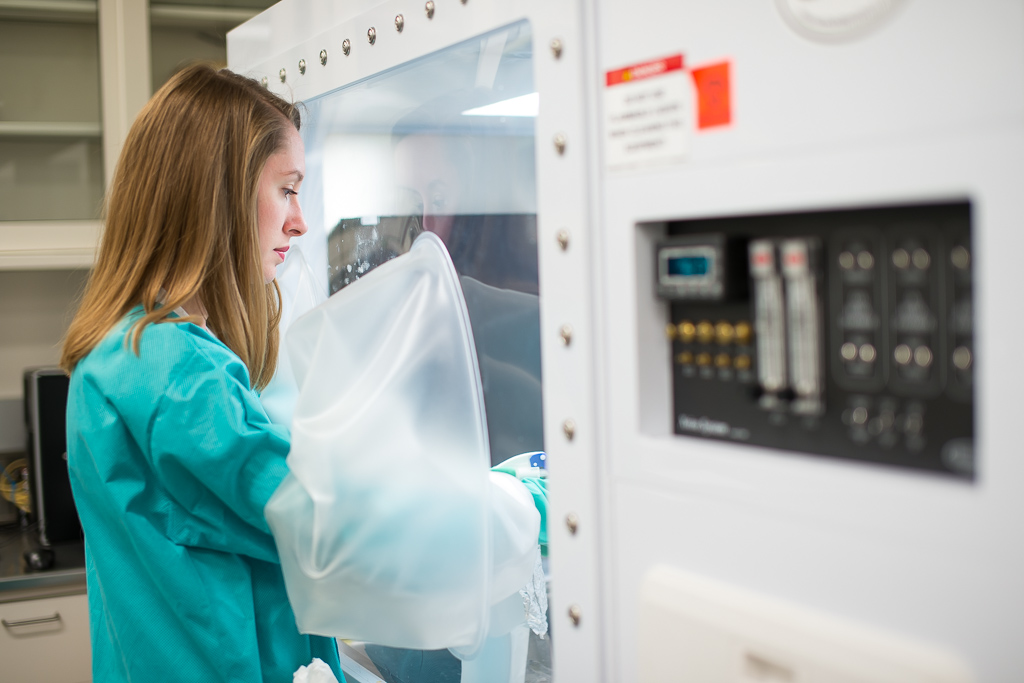

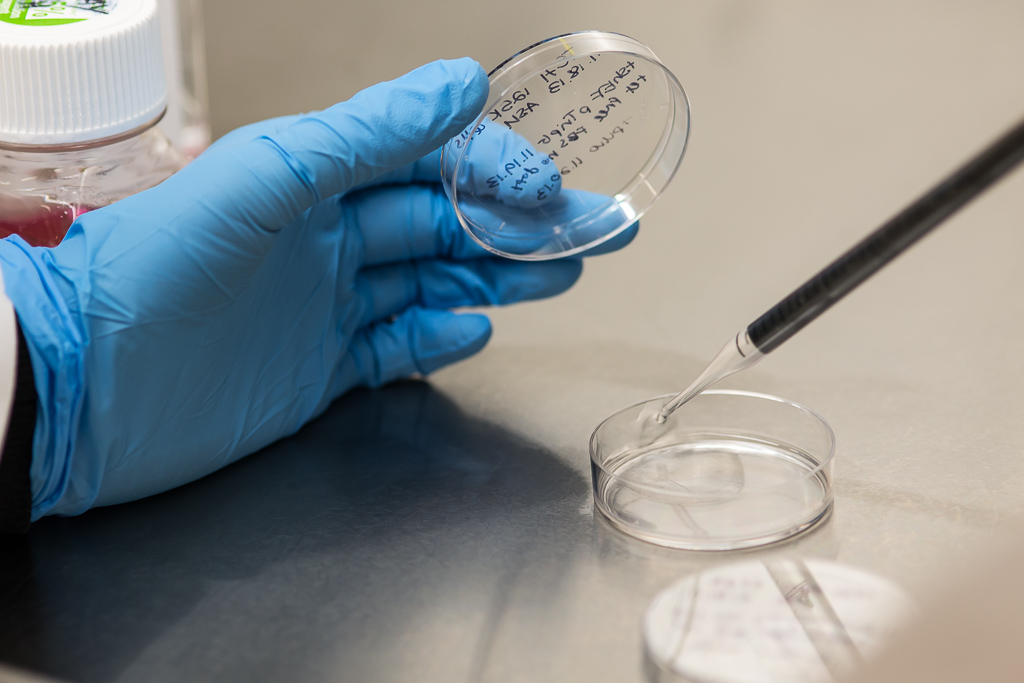
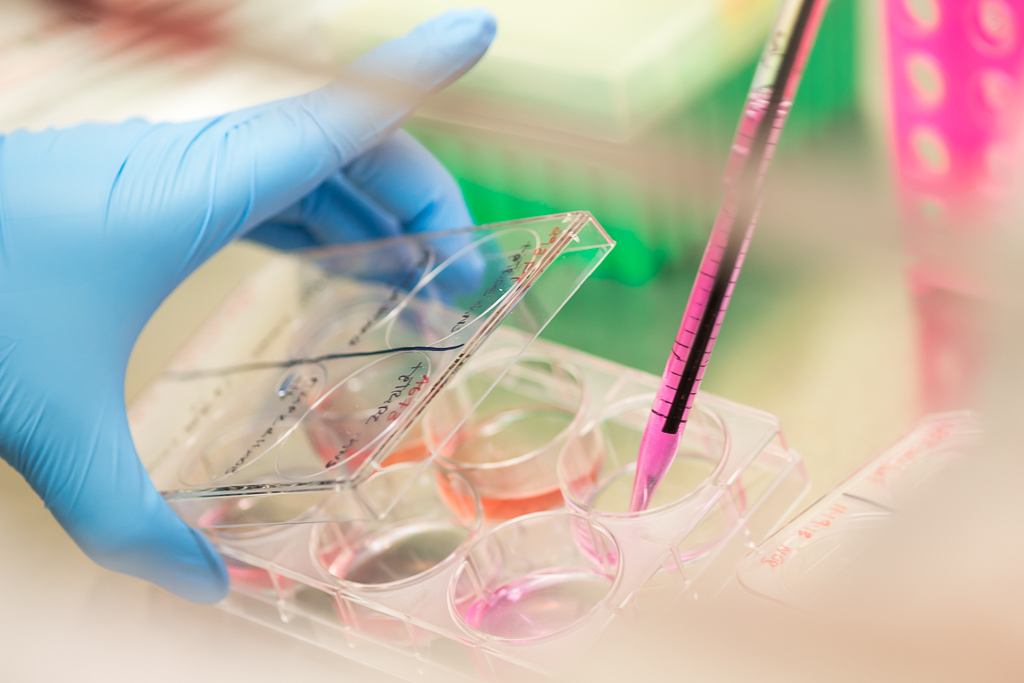
In 2007, Dr. Simeone’s team was the first to identify a small group of cells, called cancer stem cells, in tumors from patients with pancreatic cancer. Initially discovered in leukemias, researchers have identified cancer stem cells in several solid-organ malignancies including breast, brain, prostate, and colon cancers. Once the team identifies the stem cells, they have to figure out how to target them directly. Unless the stem cells are destroyed, the cancer will return.
Like normal stem cells, cancer stem cells possess the ability to replicate and produce differentiated progeny, driving tumor growth. Self-renewal allows stem cells to persist during the lifetime of the organism, and differentiation of stem cells provides the progenitors and mature cells for tissue creation, maintenance, and regeneration. This means that strategies that kill cancer cells to treat cancer must address the unique survival mechanisms of the cancer stem cells within the cancer cell population. Most traditional cancer treatments have been developed and assayed based on their ability to kill most of the cancer cell population and result in tumor shrinkage. These treatments likely miss the cancer stem cells, which have been shown in several cancer types to be quite resistant to standard chemotherapy and radiation.
Research in Dr. Simeone’s laboratory has shown that pancreatic cancer stem cells are especially resistant to chemotherapy and radiation. If scientists can identify the cancer stem cells, they can then develop new drugs to target and kill these cells.
The team has been able to identify drugs that target pancreatic cancer stem cells by blocking developmental signaling pathways that are important to stem cell function. Dr. Simeone’s studies show that cancer stem cells depend on the activity of the molecule Notch, and are susceptible to its inhibition. Notch is a potent signaling molecule previously determined to function during embryonic development of various organs, including the pancreas, and recently identified as reactivated in pancreatic cancer.
A number of promising agents targeting these cells are currently being tested in Dr. Simeone’s laboratory, in human tumors taken directly from patients and grown in immunodeficient mice. Dr. Simeone’s proposed clinical trial will treat patients after surgery with standard chemotherapy, in combination with a drug that targets Notch. Patients will be assessed for changes in disease-free and overall survival, and blood and tumor samples will determine if the presence or activity of cancer stem cells decreases under these treatment conditions. This trial marks the first attempt to directly target the especially dangerous and resilient cancer stem cell population within pancreatic tumors.
While cancer stem cells may be one reason current therapies are not effective against pancreatic cancer, stem cells account for fewer than 2% of the cells in a tumor. Stem cells aside, pancreatic cancer is biologically aggressive, and the majority of the tumor cells don’t respond well to chemotherapy or radiation.
This may be explained by a gene Dr. Simeone’s team found, a gene that is overexpressed in 90% of pancreatic cancers. Expression of this gene, Ataxia Telangiectasia Group D Complementing gene, or ATDC, is on average 20 times higher in pancreatic cancer cells than in cells from a normal pancreas.
The team found that ATDC not only causes the cancer cells to grow faster and be more aggressive, but it also makes the cancer cells particularly resistant to chemotherapy and radiation. By targeting this gene, they may be able to make cancer cells more sensitive to therapies already in hand.
In addition, Dr. Simeone’s team found that ATDC is most highly expressed at the point when pre-cancerous cells become cancerous cells. ATDC was also linked to increased levels of a signaling protein called beta-catenin, which is known to play a key role in cancer development.
ATDC has potential as a target for developing future cancer therapies. It could also help determine whether a patient has pancreatic cancer, or if it’s chronic pancreatitis, a diagnosis that’s often difficult to make without surgery.
A new grant from the National Cancer Institute will help University of Michigan researchers move their studies forward. The 5-year grant will focus on finding new therapies to target ATDC, as well as ways to block a protein that could make pancreas tumors more sensitive to current chemotherapy and radiation treatments.
Connect with Us



Other Samples