Narrative: Michigan Center for Integrative Research in Critical Care
Co-locating a Critical Mass of Researchers Leads to Path-Breaking Innovations
In May 2013, NCRC welcomed the Michigan Center for Integrative Research in Critical Care (M-CIRCC), a new center for the study of acute illnesses and injuries.
“The challenges of providing life-saving care to our most critically injured patients with the goal of returning them to their pre-injury state will require solutions that seem almost science fiction,” said M-CIRCC’s first director, Dr. Kevin Ward, MD, Professor of Emergency Medicine. “The only way to do this is to develop the scientific teams of the future, and this requires engaging experts in many diverse fields.”
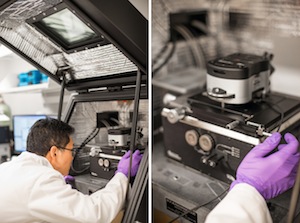
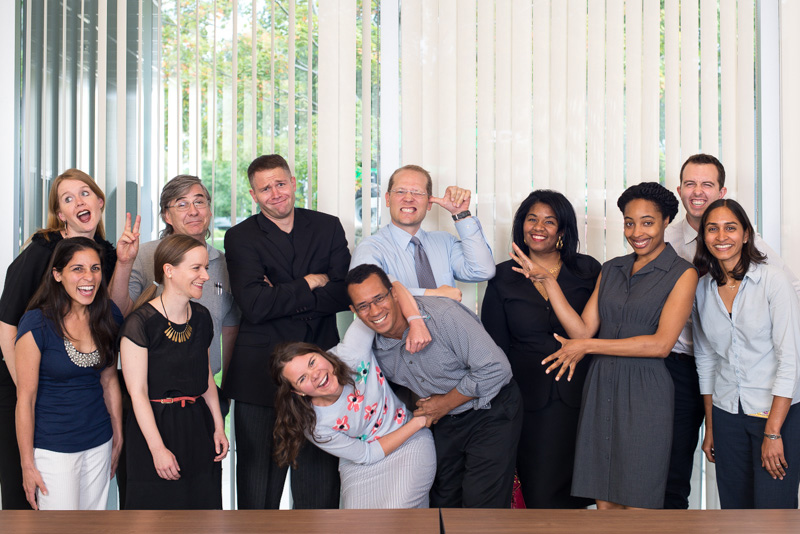
With the formation of M-CIRCC, the already renowned critical illness and injury research at U-M has acquired an integrated and comprehensive platform across several major clinical entities, ranging from adults to children, and trauma to medical, while also drawing on cutting-edge engineering and applied basic science expertise of U-M’s world-class research enterprise. M-CIRCC deliberately reaches out to other established research programs to foster new collaborations, bringing together scientists, physicians and engineers in a broad range of specialties, from emergency medicine, surgery, internal medicine, nursing and pediatrics to biomedical engineering, pharmacy, epidemiology and bioinformatics.
Several locational benefits of NCRC add to the synergies between the key areas within M-CIRCC. Apart from the close connection with the medical school, the proximity to the College of Engineering on north campus and the presence of the Office of Tech Transfer right on the NCRC site are major advantages in the translation of the research into tangible patient benefits.
M-CIRCC is probably the only program in the country that is so broad based, and which has such an extensive level of involvement with medical, engineering and other schools across campus. This creates an enormous potential to help a large variety of patients with a range of critical illnesses and injuries.
“At U-M, we are making a commitment from laboratory bench to patient bedside, to develop and deliver the right care at the right time based on scientific knowledge at all levels,” Dr. Robert Neumar, MD, PhD, Chair of the Department of Emergency Medicine said. “In our own emergency care setting, we are preparing to expand our capacity to begin intensive care from the time a patient arrives. But we need better monitoring technologies to tell us in real time what effect our efforts are having, and to guide therapy. M-CIRCC, and the combined resources of the University of Michigan, will help us get there.”
The center is already planning its first annual conference this Fall to discuss the challenges and barriers in the care of the critically ill, the matching of medical needs and engineering solutions, and business opportunities for entrepreneurs.
M-CIRCC operations include the labs of Drs. Ward, Neumar, and John Younger, MD, MS, Associate Chair for Research in Emergency Medicine, member of the Biointerfaces Institute, and one of the founding members of M-CIRCC, researchers who focus on cardiac arrest, sepsis, and critical care monitoring, as well as Dr. Hasan Alam’s surgery group with a large trauma research program. Researchers who will collaborate in the bioinformatics area will be dual-based in M-CIRCC and in the Department of Computational Medicine and Bioinformatics. Close collaborations with strategic partners such as the Biointerfaces Institute, Michigan Center for Clinical and Health Research (MICHR) and the Institute for Healthcare Policy and Innovation (IHPI), all of which are at NCRC, are facilitated by the new location.
An important part of the center’s mission is to serve as a place where junior investigators in the life sciences and engineering can be exposed to the intellectual richness and complexity of the challenges encountered when caring for the most severely ill patients.
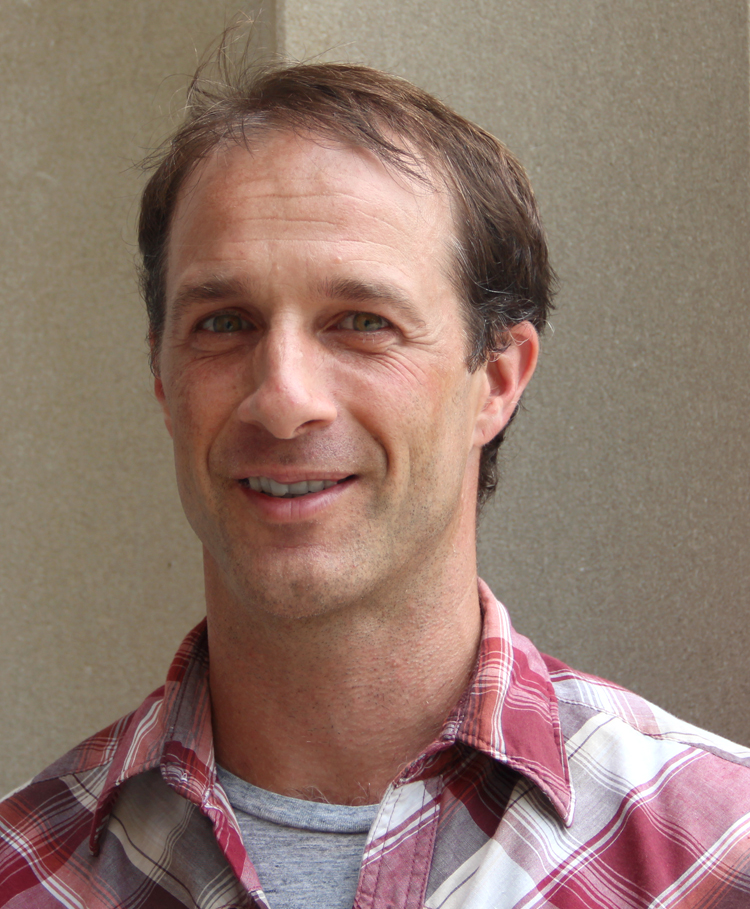
Dr. Younger put it this way: “In every hallway of this institution, and on a daily basis, I walk by the brightest, most motivated students I have ever seen. All of these kids are going to apply their brains, energy, and passion to something. One of my personal goals for M-CIRCC is for the center to serve as a magnet for all of this talent, for it to be a place where students, residents, and fellows can get a sense of the impact they might have on the lives of our patients. We want them to spend some time with us and realize that there’s nothing else in the world they’d rather work on.”
Connect with Us



Other Samples